- Report new or growing swelling to your surgical team.
- Never puncture or drain a swelling yourself.
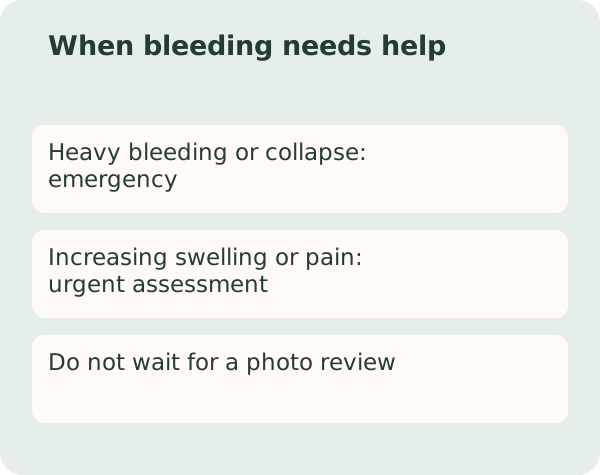
- Chest pain, breathlessness or collapse require emergency assessment.
What is a seroma after a tummy tuck?
A tummy tuck changes the position of skin and underlying tissues. During healing, fluid can collect in a space beneath them. A seroma is a collection of serous fluid; it is not automatically an infection and does not by itself establish that surgery was performed incorrectly. A clinician must examine the swelling before deciding what it represents and whether it needs treatment. The NHS lists fluid collection as a possible complication of abdominoplasty, and Cleveland Clinic describes how a seroma may appear as a swelling near a healing operation. [1][2]
Some swelling is expected during recovery, but a pocket of fluid can create local fullness or a sensation of movement under the skin. The size, tenderness and effect on a wound matter, as does whether the swelling is changing. Do not assume that a firm area is fluid, or that a soft area can safely be watched at home. Photographing a change may help communication if the team requests it, but photographs cannot rule out a complication. Ask your surgeon which changes to report and how quickly you should be assessed.
How does it differ from ordinary swelling or a haematoma?
General postoperative swelling can be spread across a broad area, while a seroma may feel like a more localised pocket. In practice those patterns can overlap. Bruising, tightness, numbness and changes around an incision are also common after surgery; their presence does not make a diagnosis. Your clinician may consider a blood collection, infection, wound problem or another cause as well as seroma. The history, examination and sometimes imaging guide the decision. [1][2]
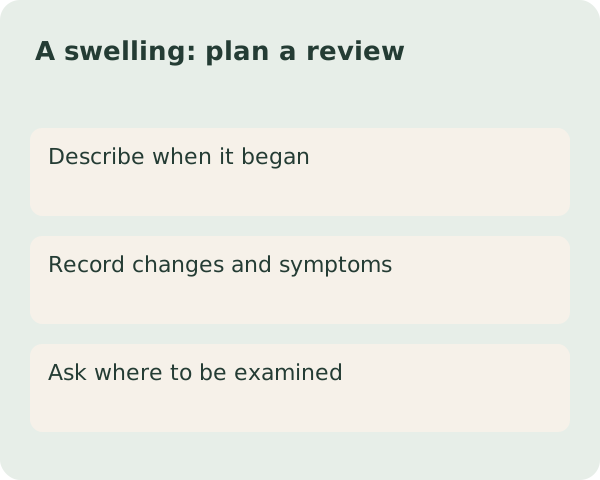
A haematoma is a collection of blood rather than serous fluid. A rapidly enlarging, painful or tense swelling deserves prompt assessment because bleeding and other urgent causes cannot be excluded by appearance online. Do not press repeatedly to see whether the area moves: manipulation can hurt, and it will not reliably tell you what is inside. If you notice a new change, record when it began, whether it seems to be growing and any accompanying symptoms, then contact your treating team. An examination is more useful than comparing your abdomen with a photograph of someone else’s recovery.
Can it occur when a drain was used?
Yes. Drains are one approach to managing fluid, but a drain does not guarantee that a collection cannot form. A seroma may be noticed while a drain is present or after removal. It can also occur after an operation performed without drains. The decision to use a drain, the method used to manage the tissues, and removal criteria depend on the operation and the treating team. Do not use another person’s drain output or removal day as your threshold for reassurance. [1][2]
If a drain remains in place, follow the device-specific instructions given by your nurse or surgeon. Report a new swelling, leakage around the insertion site, an unexpectedly non-functioning device, or a tube that has moved or come out. Do not pull, replace, unblock or remove the device yourself. Ask whether the swelling changes the planned follow-up. This guide concerns assessment of a possible collection; the separate drain guide explains the practical questions to ask about caring for your own device.
What should I tell the clinic?
Describe where the swelling is, when you first noticed it, and whether it is growing or becoming uncomfortable. Tell the team about fever or feeling unwell, warmth, increasing redness, worsening pain, wound separation, or new fluid from the incision. Colour can look different on different skin tones, and absence of an obvious colour change does not rule out infection. Explain whether you have a drain, whether it was recently removed, and any output record the team asked you to keep. [2][3]
Give the name and date of the operation and tell the team if liposuction or another procedure was performed at the same time. Mention relevant medicines and allergies rather than changing medicines on your own. Ask whether you need same-day examination, where to go, whether you should bring a companion and what to do if the clinic is closed. If you cannot reach the operating team, seek assessment from an appropriate local urgent service; do not allow a time-zone difference or a scheduled flight to delay help.
Which symptoms need urgent or emergency care?
Call the surgical team promptly for a new or enlarging swelling, a significant change in wound pain, warmth, spreading redness, cloudy drainage, fever or feeling increasingly unwell. These signs can have different causes, including infection, and require a clinician’s decision about how urgently you should be seen. A wound that opens or a drain that becomes displaced also needs direct advice. The CDC advises contacting a healthcare professional immediately for symptoms of a surgical-site infection. [2][3]
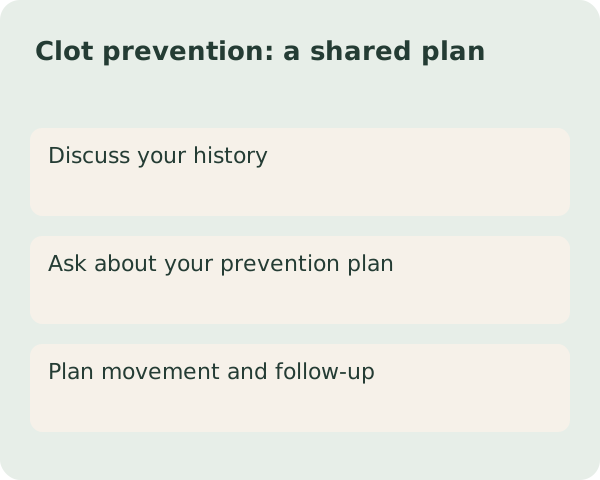
Sudden or severe breathlessness, chest pain, collapse, confusion or major uncontrolled bleeding requires emergency assessment now, rather than waiting for an online response about a possible seroma. A painful, swollen leg after surgery can also require urgent assessment for a blood clot. If emergency symptoms arise in Korea, use the local emergency system or the emergency department appropriate to your location. Tell the team you recently had surgery. Do not delay urgent care to gather photos or translate every document. A friend or interpreter can help communicate, but should not replace medical assessment. [5]
How is a suspected collection assessed?
A clinician will ask about your operation and recovery, examine the abdomen and assess the wound. They may want to know when the swelling appeared, whether it is painful, whether it has changed and whether you have fever or drainage. In some situations imaging such as ultrasound may help establish whether fluid is present and where it is. Not every swelling needs the same test, and a scan should not delay urgent care when a person is severely unwell. [1]
Before your appointment, write down the questions that will influence your next steps: what does the team think the swelling is, how certain are they, and does another diagnosis need to be excluded? Ask what should happen if the size increases or the skin changes. If a fluid collection is confirmed, ask whether the team recommends observation or a procedure and why. Your own medical history, wound and travel arrangements matter; a single online size or number of days cannot determine the correct treatment.
Observation or aspiration: what is the decision?
Some small collections are monitored and may be reabsorbed over time. Others cause discomfort, put pressure on a wound, increase in size or require investigation, and a trained clinician may recommend removing fluid with a needle. A clinician may perform needle aspiration when appropriate. The choice is individual: observation is not neglect when a clinician has assessed you and given a clear plan, and aspiration is not automatically necessary for every swelling. [1]
Ask about the expected benefit, risks, whether a sample is needed, how the procedure is performed, and what follow-up is planned. A collection may return and require further assessment or repeat treatment; the team should explain what to watch for and when to contact them. Needles and skin penetration introduce risks, including infection. Never attempt aspiration at home, ask an untrained companion to puncture the area, or order equipment online. Seek a qualified clinician even if you have seen a video of the procedure.
What happens if the fluid returns?
A return of swelling after assessment or drainage does not automatically mean the operation has failed, but it does need the follow-up plan your clinician recommended. Tell the team when you noticed the change, whether it resembles the earlier swelling, and whether there is increasing pain, redness, warmth, drainage or fever. They may wish to examine you again and decide whether further treatment or another explanation needs consideration. Do not arrange repeated needle drainage with an unqualified person simply because the first assessment was reassuring. [1][3]
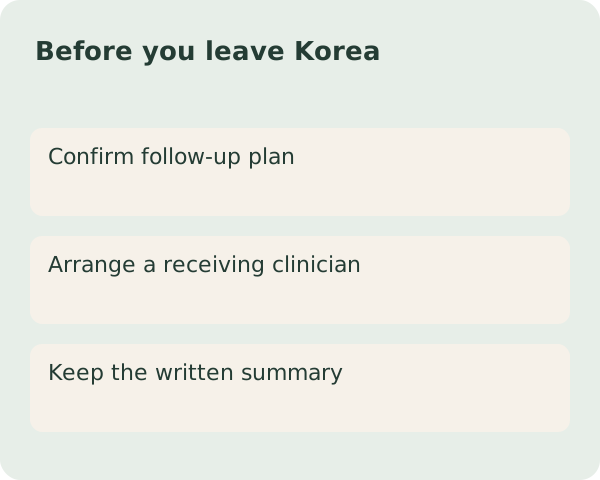
Ask who is responsible for review after the procedure and whether the appointment is included in the quoted service. If you are leaving Korea, ask for a summary that explains the operation, examination, investigations, any fluid removed, medication changes and the next review. Arrange a receiving clinician who agrees to see you, rather than assuming a local clinic can provide treatment on arrival. If the swelling is changing or you are unwell, obtain local care immediately instead of waiting for an international handover.
Compression, activity and practical daily care
Your team may recommend a support garment after abdominoplasty, but the right fit, duration and restrictions depend on your operation and wound. Ask the team how to put it on without pulling a drain or dressing and what to do if it causes pressure, discomfort or rubbing. Do not make it tighter to force fluid away, add an extra binder, massage a suspected collection or apply a device unless your clinician specifically instructs you. A garment is not a substitute for assessment of a new swelling. [2]
Follow your individual advice about walking, lifting, showering and wound care. A companion can help with luggage and transport during early recovery. Ask the team for instructions that fit your accommodation: how you will travel to an appointment, where supplies can be kept and what to do if you cannot see the incision. If the instruction is unclear or conflicts with advice from another provider, contact the treating team rather than combining multiple generic plans.
How should a traveller plan the Korea stay?
A fixed departure date should not be treated as proof that you are ready to fly. Ask before surgery how many reviews are planned, how the team handles a suspected fluid collection, who can assess you outside business hours and whether an English-language summary is available. Confirm the location of your initial appointment and how you would reach an emergency department. Ask who would pay for additional reviews or tests under the proposed agreement, while recognising that actual care cannot be priced from a generic guide.
If swelling develops, seek clinical assessment and ask whether travel should be postponed. Your team considers the wound, mobility, general health, possible clot risk and any ongoing treatment; there is no universal safe departure day for a person with a seroma. Keep a flexible accommodation and transport plan and identify a contact who can help you understand instructions. Before leaving, make sure you know where you will receive care if the collection returns, and carry the written summary. Travel insurance terms and coverage for complications should be checked directly with the insurer before the trip.
What should I ask before choosing an abdominoplasty service?
A useful consultation identifies the named operating surgeon, the planned operation, the facility and the aftercare pathway rather than relying on a procedure label. Ask how the team assesses a new swelling, who examines you, whether imaging is available when needed and how a complication is handled if your stay is extended. Request written emergency contacts and ask how care is transferred after you return home. Ask for an itemised explanation of what the quoted price includes, without assuming that an unforeseen complication will be free.
VeryGood Plastic Surgery is listed in this atlas because its international body-contouring page describes abdominoplasty. That service listing is a starting point for questions, not proof of a particular seroma technique, individual suitability, a guaranteed outcome or independent ranking. Review its profile and international service, then ask the clinic to confirm the named surgeon, facilities, current follow-up and after-hours arrangements for your case. You can seek another opinion or postpone a booking if the answers do not give you a workable care plan. [4]
Questions to take to your appointment
Write down: What is the likely cause of my swelling, and what else needs to be ruled out? Does my examination suggest observation, imaging or treatment? Which changes mean I should call today, and which require emergency care? If a procedure is recommended, who performs it, what are its risks and could it need repeating? What instructions should I follow for the dressing, garment and activity until review?
For travel, add: Am I medically fit to fly on my proposed date? What would change that advice? Who will provide a written summary and accept responsibility after I return home? What is the plan if the collection returns on a weekend or during transit? Bring a list of your medicines, allergies and any drain record, along with the contact details of your local clinician. These questions help you obtain a plan tailored to your examination; they cannot diagnose a swelling or replace treatment.
Explore the profiles mentioned in this guide
Use these source-linked profiles to prepare questions and confirm your individual plan directly.
Continue with the related guides
Put this information into your consultation
Use the consultation checklist and budget worksheet to record your questions. Explore tummy tuck clinics in South Korea and doctor profiles before asking a clinic about your individual plan.
Sources & further reading
Source links support the topic or the attributed provider details. Practical preparation prompts are editorial guidance. Checked 3 November 2026