- Define the exact problem before choosing a procedure.
- Obtain the original operation and follow-up records.
- Treat revision as a new decision with new risks and costs.
What problem would revision address?
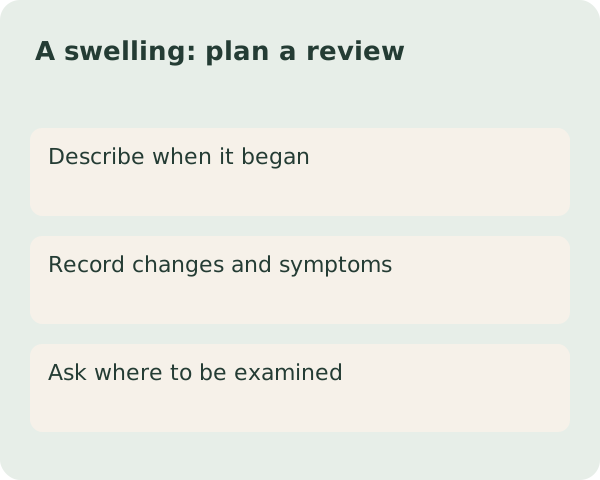
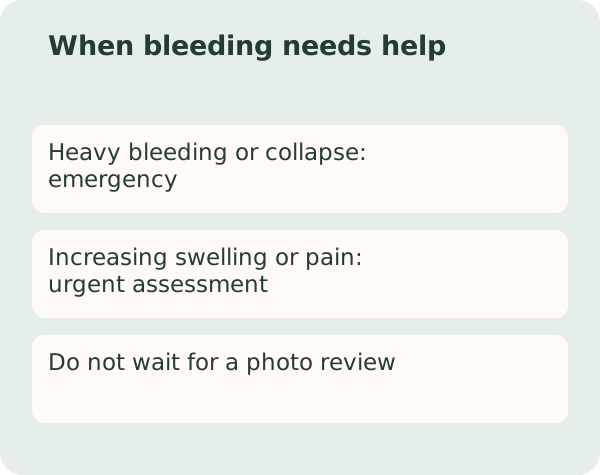
Write down what bothers you: scar position, residual skin, contour, belly-button appearance, asymmetry, discomfort or another issue. Separate appearance from symptoms that need medical assessment. If you have an acute wound change, pain or swelling, seek appropriate care rather than waiting for a revision consultation. ASPS notes that early results may be obscured by healing-related changes. Ask the clinician which concerns can be assessed now and which need a later review. A specific question is more useful than asking whether the whole result is good or bad.
Which original records does a second opinion need?
Request the operative report, preoperative photographs, consent documents and records of any complication or additional treatment. Keep your own dated notes about the concern. If you seek a second opinion, provide these records rather than only a recent photograph. Explain your original goals and what was promised or understood. Avoid editing images to emphasise a feature; consistent, accurate information is more useful. Ask how photographs will be stored and used, especially if they are sent across borders.
What are the alternatives to another operation?
Ask whether observation, nonsurgical care, a limited procedure or a more extensive operation could address the specific problem. Discuss what each option cannot achieve. If revision is proposed, request an explanation of new scars, anaesthesia, recovery needs and risks. A smaller-sounding operation can still require meaningful planning. Ask whether previous surgery changes tissue conditions or the predictability of the result. Do not assume a promise of free revision means the procedure is clinically appropriate or includes all associated costs.
What does the revision policy actually cover?
Read the original clinic’s revision policy and ask for a written breakdown of surgeon, facility, anaesthesia, travel and aftercare charges. Separate a contractual offer from an independent clinical recommendation. If you feel pressured to return quickly, seek clarification or another opinion. Confirm who would perform the revision and where. If choosing another surgeon, ask how they will coordinate records and ongoing care. The lowest additional fee is not a complete comparison when recovery abroad and follow-up are involved.
How should recovery be planned again?
If you decide on further surgery, revisit health assessment, medicines, support, work and travel. Do not reuse the original timetable without review. Ask who will follow the result and what would happen if the revision does not meet the goal. Consider your willingness to accept another scar or a remaining imperfection. It is reasonable to choose not to proceed after understanding the alternatives. An informed revision decision is based on a defined benefit and acceptable trade-offs, not on the assumption that every concern can be surgically erased.
Put this information into your consultation
Use the consultation checklist and budget worksheet to record your questions. Explore tummy tuck clinics in South Korea and doctor profiles before asking a clinic about your individual plan.
Sources & further reading
Source links support the topic or the attributed provider details. Practical preparation prompts are editorial guidance. Checked 20 October 2026