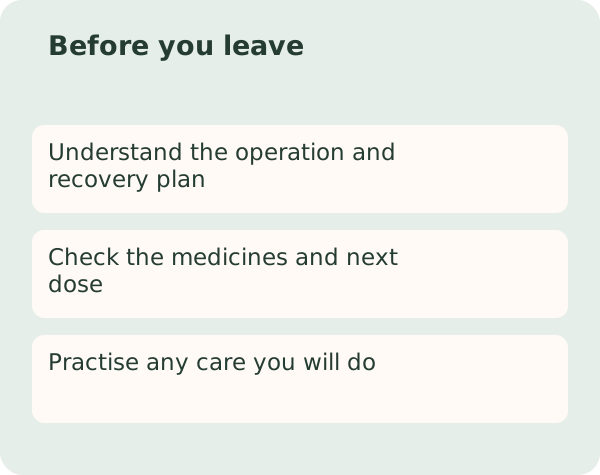
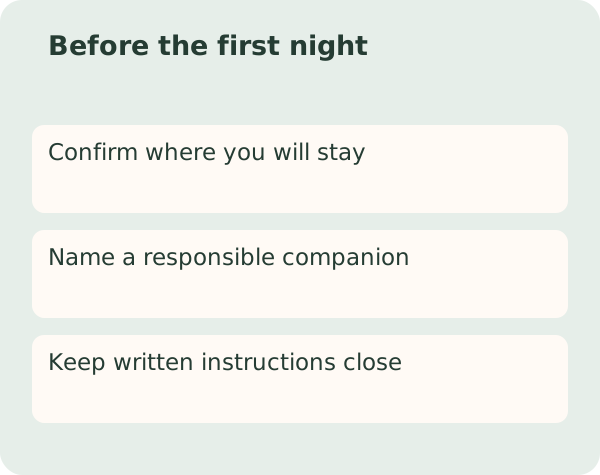
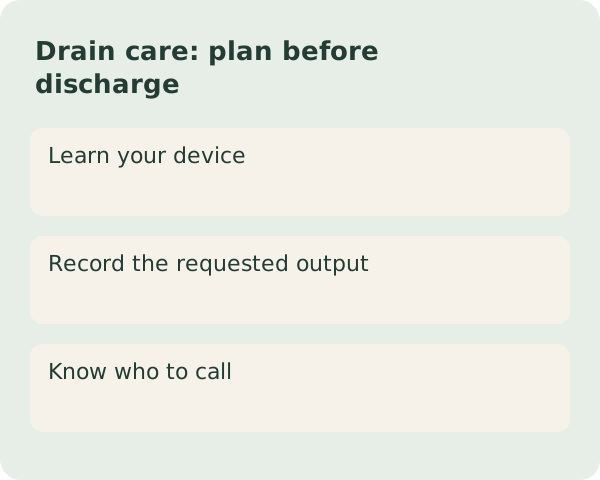
- Get site-specific dressing instructions.
- Keep scar products away from an unapproved fresh wound.
- Arrange professional follow-up when needed.
Which incisions and openings need care?
A tummy tuck may involve a lower abdominal incision, a belly-button incision and drain openings. Ask the team to identify each area and explain whether instructions differ. If additional liposuction or another procedure was performed, include those sites in the handover. A diagram on your discharge sheet can make later communication more precise. Ask what the closure consists of, whether any stitches need removal and who will remove them. Do not assume all visible material is meant to come off at the first dressing change.
When should a dressing be changed?
Surgical dressings have different purposes and water resistance. Request the name of the dressing and the circumstances in which it should be changed. Ask what to do if an edge lifts, it becomes wet or it is soiled. Do not lift it repeatedly to look at the wound unless instructed. General surgical-wound guidance emphasises following the care team’s directions and avoiding unnecessary disturbance. Ask the nurse to show clean handling and explain which supplies you need. If a dressing change requires a professional, arrange access before leaving the facility rather than planning to improvise in a hotel room.
When can scar products start?
A fresh incision is not the same as a healed scar. Oils, scar gels, powders and cosmetic creams should not be added because they are marketed as healing products. Ask when the wound is considered closed enough for any scar programme and which product, if any, is suitable. If you have a history of adhesive or skin reactions, raise it before the operation. Report new irritation and ask whether it concerns the dressing, the wound or something else. A clinician should decide whether the care plan needs to change.
Which wound changes should you report?
When reporting a concern, say which area is affected, when the change started and whether it is worsening. Mention changes in pain, warmth, swelling, discharge or how you feel generally. Ask the team what photographs are useful and use their secure channel. Avoid putting identifying images into public forums to seek a diagnosis. Online reassurance can be particularly misleading because a photo cannot show the whole clinical picture. If the wound opens or you develop signs of infection, contact the surgical team promptly. Serious general symptoms require urgent medical assessment.
Who will provide wound care after Korea?
Before departure, ask whether another dressing appointment is needed and who will provide it. Obtain enough approved supplies for the immediate transition, along with their names. If a wound remains open or needs professional attention, request a direct handover to an appropriate clinician at home and discuss whether travel should be postponed. Keep a copy of the operation and subsequent reviews. Ask who will make decisions if your home clinician and original surgeon recommend different next steps. Continuity means an agreed care route, not merely permission to send photographs after returning.
Know what to ask about healing
Explore these related questions as you discuss your individual plan with your care team.
Put this information into your consultation
Use the consultation checklist and budget worksheet to record your questions. Explore tummy tuck clinics in South Korea and doctor profiles before asking a clinic about your individual plan.
Sources & further reading
Source links support the topic or the attributed provider details. Practical preparation prompts are editorial guidance. Checked 20 October 2026