- Ask for activity-specific clearance.
- Build flexibility around clinical reviews.
- Keep the operative and aftercare records.
How long does tummy tuck recovery take?
The NHS gives a general planning estimate of four to six weeks away from work and exercise after a tummy tuck. This is not a fit-to-fly rule or a guarantee that scars and contour have finished changing. Use the estimate to discuss leave and support, then confirm separate milestones for your actual procedure. A calendar can help organise leave, but it cannot establish that a wound has healed or that travel is safe. Different operations may share the name tummy tuck while involving different lengths of incision, abdominal-wall repair or additional liposuction. Ask your surgeon to describe the operation you are actually having before discussing a recovery estimate. Useful milestones include moving safely, managing prescribed medicines, understanding wound care, attending follow-up and receiving specific clearance for increasingly demanding activities. Write down which milestone is essential before your next commitment. A return flight, a shift at work and lifting a child are separate decisions, even if they happen during the same week.
What help do you need after discharge?
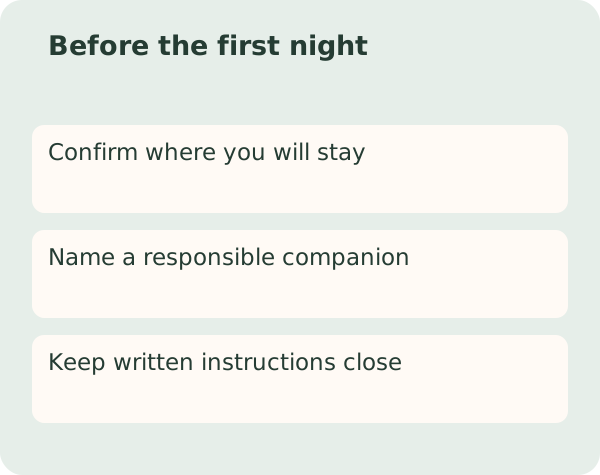
Arrange a responsible adult and a place where help is genuinely available. Before leaving the surgical facility, ask staff to demonstrate getting out of bed, managing any garment and protecting any drains. Make sure you can contact the clinical team rather than only a sales coordinator. Your discharge instructions should explain the expected symptoms for your operation, the symptoms that require prompt review and who makes decisions outside ordinary hours. If instructions are translated, request plain language and confirm your understanding back to the nurse. Being able to repeat the plan is more useful than receiving a large folder you cannot interpret.
When can everyday activities increase?
Later recovery involves increasing independence without assuming that feeling better means every restriction has ended. Bring examples from ordinary life to your review: a commute with stairs, carrying groceries, standing for a full shift or picking up a toddler. Ask which tasks are allowed now, which need modification and which should wait. Keep a short record of activity and symptoms so you can describe changes accurately. Record the activity you tried and what happened afterwards rather than giving yourself a daily performance score. A missed milestone should lead to a discussion about the plan, not an attempt to catch up through extra exercise.
When can you assess scars and contour?
Appearance and function do not necessarily progress together. Make a list of concerns that are mainly cosmetic and a separate list of symptoms affecting comfort or daily life. Ask the surgeon which questions can be answered now and which require further healing. Request a planned review point for scar or contour concerns so that waiting has a clear purpose. Take photographs only if useful to your care and through the clinic’s agreed secure channel. Matching lighting and posture makes a sequence easier to discuss, but photographs cannot substitute for a physical examination when the clinician believes one is needed.
How should recovery shape a Korea itinerary?
Keep essential appointments at the centre of the itinerary. Do not make non-refundable sightseeing, spa or exercise commitments on the assumption that recovery will follow an advertised schedule. Ask what happens if a review requires another visit, if a drain remains in place or if departure is postponed. Identify who can extend accommodation and change transport while you rest. Before travelling home, obtain an operative summary, current medication list, aftercare instructions and a named route for contacting the team. A useful recovery plan includes both the expected course and the practical arrangements for a slower course.
Plan the next stages of recovery
Explore these related questions as you discuss your individual plan with your care team.
Put this information into your consultation
Use the consultation checklist and budget worksheet to record your questions. Explore tummy tuck clinics in South Korea and doctor profiles before asking a clinic about your individual plan.
Sources & further reading
Source links support the topic or the attributed provider details. Practical preparation prompts are editorial guidance. Checked 20 October 2026