- Learn movement techniques from the care team.
- Avoid turning walking into a step-count target.
- Discuss lifting and travel separately.
How should you get out of bed and move?
Before discharge, ask staff to show you how they want you to get out of bed, rise from a chair and reach the bathroom. Explain any joint problems, dizziness or pre-existing mobility limitation. A movement that looks simple in a video may not suit you. Ask whether you need assistance or equipment and who can provide it. Check the accommodation route from bed to bathroom before surgery. Avoid arrangements that require stepping over luggage, negotiating loose rugs or using an inaccessible shower.
How much walking is appropriate?
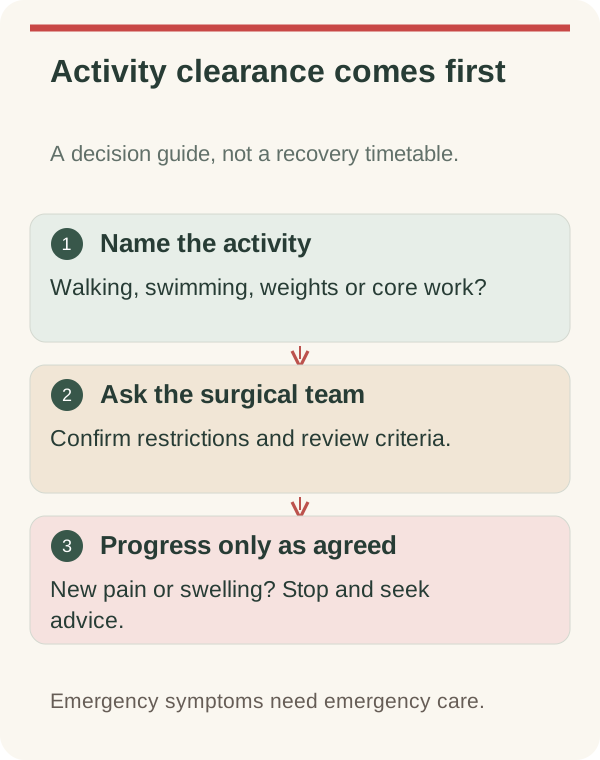
Chelsea and Westminster Hospital’s abdominoplasty guidance encourages early short-distance movement. Your team should demonstrate the posture and assistance that fit your operation rather than leaving you to copy another patient’s walking pattern. Ask what the team means when they recommend walking: where, with what support and how progression will be reviewed. Do not translate a general instruction into a step-count challenge. A long sightseeing route, steep hill or crowded subway transfer may be much more demanding than moving around accommodation. Discuss the actual environment you intend to use. If you normally track exercise, consider setting the device aside until targets have been agreed. The purpose of the early plan is recovery, not maintaining a preoperative fitness record.
Who will carry bags and manage doors?
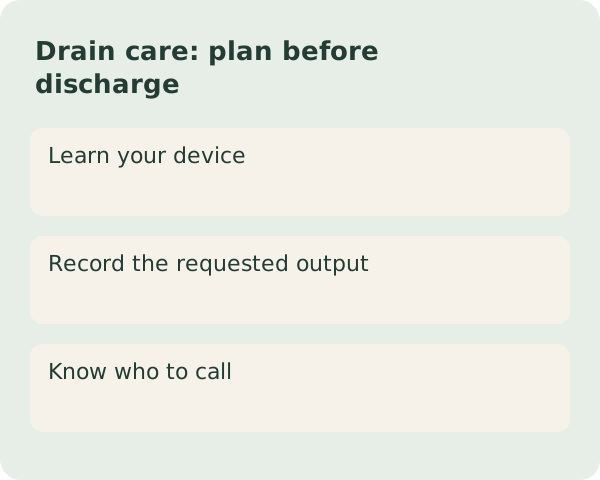
Walking may be manageable while carrying a bag, pulling a suitcase or opening a heavy door is not. Arrange a companion or transport assistance for clinic visits. Keep essential items in small, accessible places so you do not repeatedly bend or reach. Ask the nurse how drains and garments should be managed during movement. If walking is uncomfortable or you feel unsteady, contact the team rather than compensating with a technique that strains another part of your body. A physiotherapy assessment may be useful when the clinician recommends it.
Which symptoms should interrupt the plan?
Tell the team about new dizziness, worsening pain or another symptom that interrupts the agreed plan. Do not use pain tolerance as a test of determination. Report a new painful swollen leg urgently, and seek emergency care for sudden breathlessness, chest pain or collapse. For less urgent difficulties, describe the distance or task and what happened afterwards. This gives the clinician information to adjust the plan. An activity diary should be brief and purposeful, not a scorecard that encourages you to exceed restrictions.
When can distance and activity increase?
At follow-up, ask what can increase and what remains restricted. Walking, lifting and abdominal exercise may have different criteria. Ask about stairs, outdoor surfaces and commuting if those are part of your next week. Before flying, discuss the whole airport journey and assistance needs. Once home, share the surgical instructions with any physiotherapist or trainer involved in your return to activity. A progression approved for someone else, even after the same named operation, does not establish your own clearance.
Put this information into your consultation
Use the consultation checklist and budget worksheet to record your questions. Explore tummy tuck clinics in South Korea and doctor profiles before asking a clinic about your individual plan.
Sources & further reading
Source links support the topic or the attributed provider details. Practical preparation prompts are editorial guidance. Checked 20 October 2026