- Get separate advice for showers and immersion.
- Check bathroom accessibility before surgery.
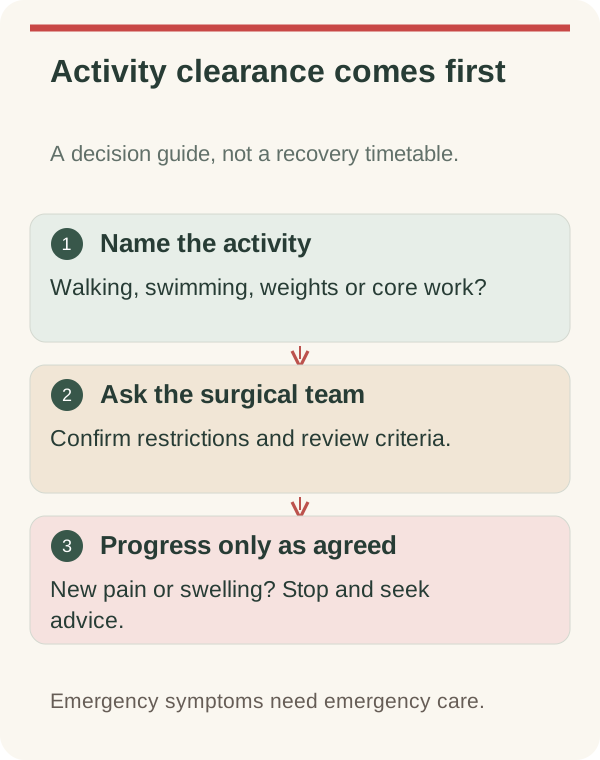
- Water permission is not exercise clearance.
When can you shower with your dressing?
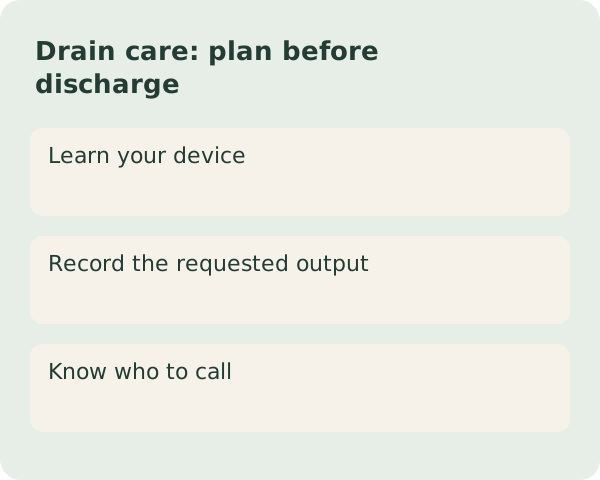
Whether you can shower depends on the surgical instructions and the dressing in place. A dressing described as showerproof does not automatically mean prolonged soaking is allowed. Ask which areas can become wet and what to do if water gets under an adhesive edge. If you have drains, include their entry sites and containers in the discussion. Ask staff to demonstrate any protective arrangement they recommend. Do not wrap the area in improvised materials so tightly that they create pressure or make you unsteady while washing.
How can you make the bathroom safer?
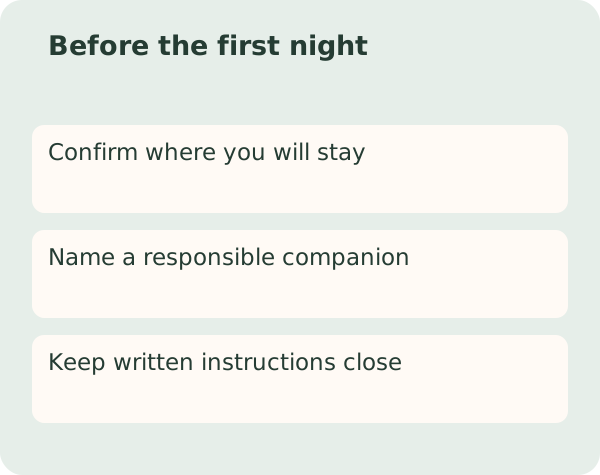
The bathroom layout matters as much as the water question. Before surgery, check the accommodation for a difficult bathtub step, slippery surfaces or nowhere to place supplies. Ask your team whether you need someone nearby for the first wash. Arrange towels, clean clothing and the permitted dressing supplies within easy reach. If you cannot enter the shower safely, ask for an alternative hygiene plan. A luxury bathroom with a deep freestanding tub may be less practical than a simple accessible shower. Choose accommodation for the recovery tasks you will actually need to perform.
How should you handle the incision while washing?
Washing the body is not permission to scrub an incision, remove surgical glue or massage a scar. Ask exactly how to handle the operated area and how to dry it. Use only the products approved by the team around the wound. If a dressing becomes wet or dirty, follow the instructions for replacement or contact the clinic. Do not leave an uncertain dressing problem unreported because the surrounding skin looks clean. It can be helpful to keep the written hygiene instructions in the bathroom in a form that your support person can also understand.
When can baths, pools and hot tubs resume?
If swimming, a spa visit or a bath is important to you, name the activity explicitly at review. Ask about wound closure, infection concerns and the physical effort involved. Being allowed to shower does not establish that immersion or exercise is safe. Do not make spa bookings part of the early recovery itinerary unless the surgeon has agreed they fit your plan. If accommodation offers a pool, its presence should not create pressure to use it. A photograph showing a closed-looking incision is not sufficient for self-clearance.
Does drain removal change the washing plan?
Ask what changes once dressings or drains are removed and whether the instructions need to be reassessed. Write down the separate conditions for showering, bathing and swimming rather than a single return-to-normal date. If you are uncertain whether the incision is completely healed, arrange a review. Report new drainage, opening or worsening discomfort before resuming immersion. Your personal washing routine can be adapted temporarily; the purpose of asking in advance is to avoid being forced into a guess when you are tired, sore or alone in unfamiliar accommodation.
Put this information into your consultation
Use the consultation checklist and budget worksheet to record your questions. Explore tummy tuck clinics in South Korea and doctor profiles before asking a clinic about your individual plan.
Sources & further reading
Source links support the topic or the attributed provider details. Practical preparation prompts are editorial guidance. Checked 20 October 2026